$39.00
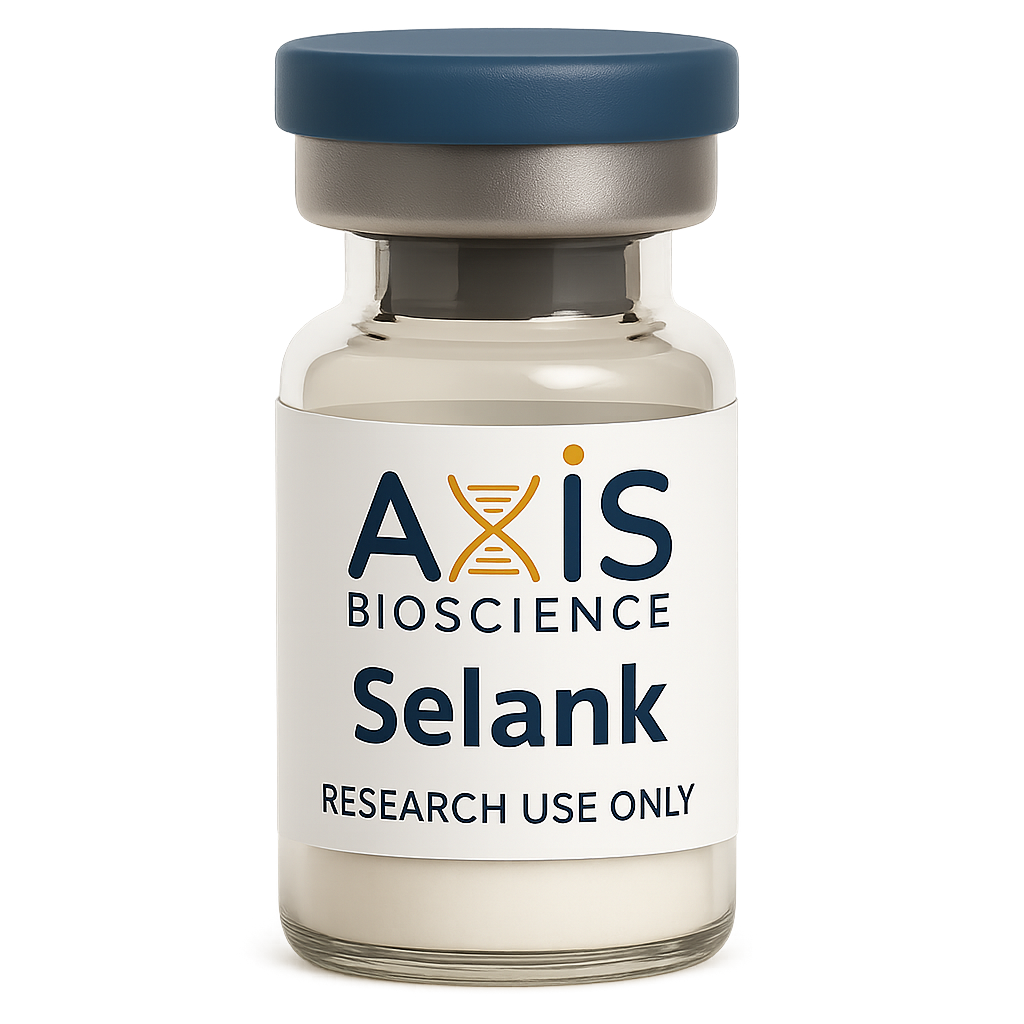
Selank is a synthetic neuropeptide studied in laboratory and preclinical models for its role in stress modulation, neurotransmitter signaling, and neuroimmune pathway research. Supplied as a lyophilized powder for research use only.
In stock (can be backordered)
| Quantity | Discount | Discounted price |
| 3 - 4 | 6% | $36.66 |
| 5 + | 10% | $35.10 |
Free shipping on orders over $200!
- Buy 3+ save 6% · Buy 5+ save 10%
- Secure Ordering
Selank 10mg is a synthetic heptapeptide derived from the endogenous immunomodulatory peptide tuftsin and modified for enhanced stability in laboratory research environments. In preclinical and laboratory models, Selank has been studied for its role in neuropeptide signaling, stress modulation pathways, and immune-neural interactions.
Selank has been investigated for its influence on neurotransmitter systems and adaptive stress-response signaling without exhibiting sedative or stimulant properties in research models. This product is supplied as a lyophilized powder intended strictly for laboratory research use.
⚠️ Research Use Only – Compliance Notice
- Stress response and anxiolytic pathway research
- Neurotransmitter regulation and synaptic signaling studies
- GABAergic and serotonergic system research
- Neuroimmune interaction and immune signaling models
- Cognitive function and adaptive behavior studies
- Neuroinflammation and oxidative stress research
- Central nervous system peptide signaling models
- Compound Name: Selank
- Peptide Classification: Synthetic neuropeptide analog
- Amino Acid Length: 7
- Amino Acid Sequence: Thr-Lys-Pro-Arg-Pro-Gly-Pro
- Molecular Formula: C₃₃H₅₇N₁₁O₉
- Molecular Weight: ~751.9 g/mol
- CAS Number: 161996-68-9
- Form: Lyophilized powder
- Solubility: Soluble in water under laboratory conditions
- Store at -20°C for long-term stability
- Refrigeration (2–8°C) acceptable for short-term storage
- Avoid repeated freeze-thaw cycles
- Protect from light and moisture
- Reconstituted material should be aliquoted to preserve integrity
- Handle using standard laboratory safety protocols